Compassionate Education: Building a Future for Mars
As humanity sets its sights on Mars, the conversation around education becomes increasingly vital. The prospect of colonizing another planet is not just about technology and infrastructure; it also hinges on how we prepare future generations to thrive in such an environment. Compassionate education is the key to ensuring that our Martian society is not only sustainable but also humane and inclusive.
Understanding Compassionate Education
Compassionate education goes beyond traditional teaching methods. It emphasizes empathy, understanding, and the emotional well-being of students. This approach is essential for fostering a sense of community and belonging, especially in a new and challenging environment like Mars.
Key Principles of Compassionate Education
Empathy: Understanding the feelings and perspectives of others is crucial. In a Martian colony, where resources may be limited and stress levels high, empathy can help maintain harmony.
Inclusivity: Education should cater to diverse backgrounds and learning styles. This ensures that every individual feels valued and has the opportunity to contribute to society.
Emotional Well-being: Prioritizing mental health is essential. Programs that focus on emotional resilience can help individuals cope with the unique challenges of living on Mars.
Collaboration: Encouraging teamwork and collaboration prepares students for the communal living that will be necessary in a Martian society.
Critical Thinking: Teaching students to think critically and solve problems creatively will be vital in overcoming the challenges of life on Mars.
The Role of Education in Martian Society
Education will play a pivotal role in shaping the future of Mars. It will not only equip individuals with the necessary skills but also instill values that promote a compassionate society.
Building a Curriculum for Mars
Creating a curriculum tailored for Mars involves considering the unique challenges and opportunities of the planet. Here are some essential components:
STEM Education: Science, Technology, Engineering, and Mathematics will be at the forefront. Understanding the Martian environment, developing sustainable technologies, and ensuring food security will be critical.
Environmental Studies: Teaching students about Mars' ecosystem and how to protect it will foster a sense of responsibility towards their new home.
Cultural Studies: As people from different backgrounds come together, understanding various cultures will promote unity and respect.
Life Skills: Practical skills such as gardening, cooking, and basic engineering will be essential for self-sufficiency.
Arts and Humanities: Encouraging creativity through arts and humanities will help individuals express themselves and connect with others emotionally.
Example of a Martian School
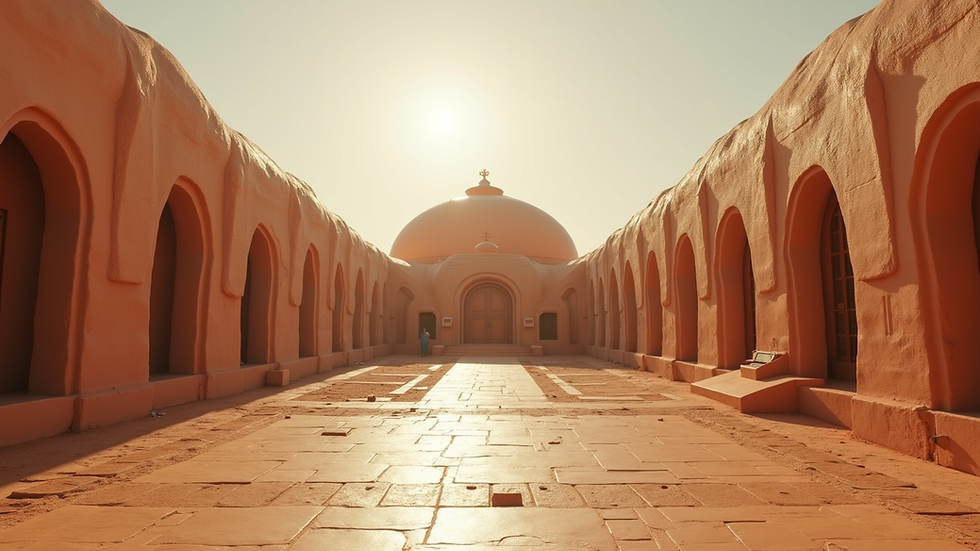
Imagine a school on Mars where students learn in a dome-shaped building made of sustainable materials. The curriculum includes hands-on projects like building solar panels or growing food in hydroponic systems. Students collaborate on community projects, such as creating art installations that reflect their experiences on Mars.
The Importance of Emotional Intelligence
In a Martian society, emotional intelligence will be as important as technical skills. The ability to manage emotions, empathize with others, and navigate social complexities will be crucial for maintaining a peaceful community.
Teaching Emotional Intelligence
Mindfulness Practices: Incorporating mindfulness into the curriculum can help students manage stress and develop self-awareness.
Conflict Resolution: Teaching students how to resolve conflicts peacefully will be essential in a close-knit community.
Peer Support Programs: Establishing peer mentorship can foster connections and provide emotional support among students.
The Role of Technology in Education
Technology will play a significant role in education on Mars. With the challenges of distance and communication, innovative solutions will be necessary.
Online Learning Platforms
Virtual Classrooms: Students can attend classes remotely, allowing for flexibility and access to diverse educators.
Interactive Learning Tools: Utilizing augmented reality and virtual reality can enhance the learning experience, making complex subjects more engaging.
Collaboration with Earth
Maintaining a connection with Earth will be vital for knowledge exchange. Educational institutions on Earth can collaborate with Martian schools to share resources, expertise, and cultural insights.
Community Involvement in Education
Building a compassionate educational system requires the involvement of the entire community. Parents, educators, and local leaders must work together to create a supportive environment.
Parent Engagement
Encouraging parents to participate in their children's education can strengthen community bonds. Workshops and events can provide opportunities for parents to learn about the curriculum and share their experiences.
Local Leadership
Community leaders can play a crucial role in advocating for compassionate education. By prioritizing education in local policies and initiatives, they can ensure that resources are allocated effectively.
Challenges to Overcome
While the vision for compassionate education on Mars is promising, several challenges must be addressed.
Resource Limitations
Limited resources on Mars may hinder the development of educational facilities and programs. Innovative solutions, such as using local materials and technologies, will be necessary.
Cultural Differences
As people from diverse backgrounds come together, cultural differences may lead to misunderstandings. Promoting inclusivity and understanding will be essential to foster a harmonious community.
Mental Health Support
The psychological impact of living on Mars can be significant. Establishing robust mental health support systems will be crucial for the well-being of residents.
Conclusion
Compassionate education is not just a concept; it is a necessity for building a thriving society on Mars. By prioritizing empathy, inclusivity, and emotional well-being, we can create a future where individuals are equipped to face the challenges of life on another planet. As we embark on this journey, let us remember that the foundation of a successful Martian society lies in the education we provide today.
The future of Mars is bright, and with a compassionate approach to education, we can ensure that it is a future worth striving for.


Comments